Article
Plant Based Consumer Trends: 12 Key Shifts in 2026

On this page
TL;DR
The plant-based market is recalibrating, not collapsing. Consumer favorability hit 87% in 2026, yet plant-based meat sales dropped 10% in 2025. The gap between those numbers is where the real story lives. This glossary defines the key terms, maps them to current data, and explains the patterns that CPG brands, marketers, and researchers need to understand right now.
The plant-based category is sending contradictory signals. Favorability is at a four-year high. Household purchase rates are holding steady. But plant-based meat is in decline, and the ultra-processed food backlash is rewriting what “plant-based” even means to consumers.
Understanding plant based consumer trends in 2026 requires more than headline statistics. It requires knowing how the terms connect, where the data diverges, and why the same consumer can say they love plant-based products and then stop buying them. This glossary is built for that purpose: clear definitions, sourced numbers, and the context that turns data into decisions.
What Are the Biggest Plant-Based Consumer Trends in 2026?
Plant-based consumer trends in 2026 show a shift from strict vegetarian and vegan positioning toward flexible, health-conscious, and ingredient-focused eating. Consumers are increasingly interested in plant-based foods, but their purchasing decisions depend on taste, affordability, nutritional value, and ingredient transparency. The biggest developments include the growth of flexitarian eating, demand for minimally processed foods, interest in natural plant proteins, the expansion of functional snacks and beverages, and changing attitudes toward meat alternatives. For CPG brands, the opportunity is to develop plant-forward products that fit everyday eating habits rather than relying exclusively on animal-product replacement.
Whether you’re running a CPG brand, building a go-to-market strategy, or trying to figure out what’s actually happening beneath the surface, this is your reference. For a deeper look at the tension between attitude and behavior, see the plant-based paradox.
12 Plant-Based Consumer Trends Shaping 2026
Plant-based consumer behavior in 2026 is moving beyond traditional vegetarian and vegan preferences. Shoppers are increasingly evaluating products based on taste, affordability, nutritional value, ingredient transparency, and convenience. The following 12 trends highlight where consumer demand is developing and what food and beverage brands should monitor.
1. Flexitarian Eating Is Expanding the Addressable Market
Flexitarian consumers are becoming increasingly important to plant-based food brands. Rather than eliminating animal products entirely, these shoppers reduce meat consumption and incorporate plant-based meals into their regular routines.
This creates a larger potential market than targeting strict vegetarians and vegans alone. GFI's 2025 research found that 96% of households purchasing plant-based meat and seafood also purchased conventional meat.
What brands should do: Position products around flexibility, convenience, and everyday meal occasions instead of assuming consumers want to replace all animal products.
2. Taste and Texture Remain Critical Purchase Drivers

Consumer interest does not automatically translate into repeat purchases. Plant-based meat must compete with conventional products on flavor, texture, cooking performance, and overall eating experience.
GFI identifies taste and affordability as important opportunities for bringing lapsed shoppers back into the category.
What brands should do: Test taste, texture, cooking performance, and product satisfaction with actual target consumers before expanding distribution.
3. Affordability Is Influencing Purchase Frequency
Price remains an important barrier to plant-based meat adoption. Consumers may be willing to experiment with alternative proteins but hesitate to purchase them regularly when conventional products offer better perceived value.
The challenge is not simply reducing prices. Brands must demonstrate why a product deserves its price through taste, nutrition, convenience, and quality.
What brands should do: Conduct price sensitivity research, identify acceptable price ranges, and test promotional strategies that encourage repeat purchases.
4. Ingredient Transparency Is Becoming More Important
Consumers are paying closer attention to ingredient lists, nutritional information, and how food products are manufactured.
This creates opportunities for brands that communicate ingredients clearly and explain the purpose of unfamiliar components.
However, a short ingredient list alone does not guarantee better consumer acceptance. Taste, nutrition, safety, and product functionality still matter.
What brands should do: Test ingredient messaging and packaging claims rather than assuming that every consumer interprets clean label in the same way.
5. The Demand for Less-Processed Foods Is Challenging Meat Alternatives
Concerns about ultra-processed foods are influencing how consumers evaluate plant-based meat.
Some shoppers associate highly engineered meat substitutes with artificial ingredients and excessive processing. This creates a positioning challenge for manufacturers whose products depend on sophisticated ingredient combinations to reproduce meat-like characteristics.
What brands should do: Communicate ingredient functionality, nutritional value, and product composition transparently. Avoid unsupported claims that a product is healthier simply because it is plant-based.
6. Natural Plant Proteins Are Gaining Attention
Rather than relying exclusively on meat imitation, some brands are emphasizing recognizable plant ingredients such as peas, beans, lentils, soy, mushrooms, and other protein-rich foods.
This reflects an opportunity to market plant-based products based on their own nutritional and culinary benefits.
What brands should do: Explore whole-food protein formats and test whether consumers respond more positively to ingredient-led positioning than traditional meat-replacement messaging.
7. Functional Plant-Based Foods Are Expanding
Consumers increasingly encounter plant-based products positioned around specific nutritional benefits, including protein, fiber, digestive health, and convenient nutrition.
Protein bars, functional beverages, and fortified products offer brands opportunities to connect plant-based ingredients with established consumption habits.
What brands should do: Identify which functional benefits matter most to different consumer segments and validate claims before incorporating them into product positioning.
8. Plant-Based Snacks and Ready-to-Drink Products Are Creating New Opportunities
Not all plant-based categories are experiencing the same market conditions.
GFI's 2025 retail data shows that plant-based bars recorded 16% dollar sales growth, while ready-to-drink beverages recorded 12% growth and baked goods and desserts recorded 9% growth.
These categories demonstrate how plant-based ingredients can participate in everyday consumption without requiring shoppers to change their entire diet.
What brands should do: Investigate snack, beverage, and convenience-focused product opportunities using category-specific consumer research.
9. Plant-Based Dairy Is Becoming More Diverse
Plant-based dairy alternatives now extend beyond conventional milk substitutes into creamers, yogurts, desserts, and other product formats.
Different ingredients offer different sensory and functional characteristics, meaning consumers may evaluate oat, soy, almond, and coconut products differently depending on their intended use.
What brands should do: Research product preferences by consumption occasion, ingredient type, taste, and nutritional expectations rather than treating all dairy alternatives as one market.
10. Younger Consumers Are Reshaping Food Discovery
Younger consumers encounter plant-based foods through social media, food creators, restaurant experiences, and online product recommendations.
However, purchasing behavior should not be assumed from generational attitudes alone. A consumer can express interest in sustainable or plant-forward eating without consistently purchasing alternative products.
What brands should do: Examine actual purchase behavior alongside stated preferences, social media engagement, and dietary identity.
11. Hybrid Products Are Offering a Middle Ground
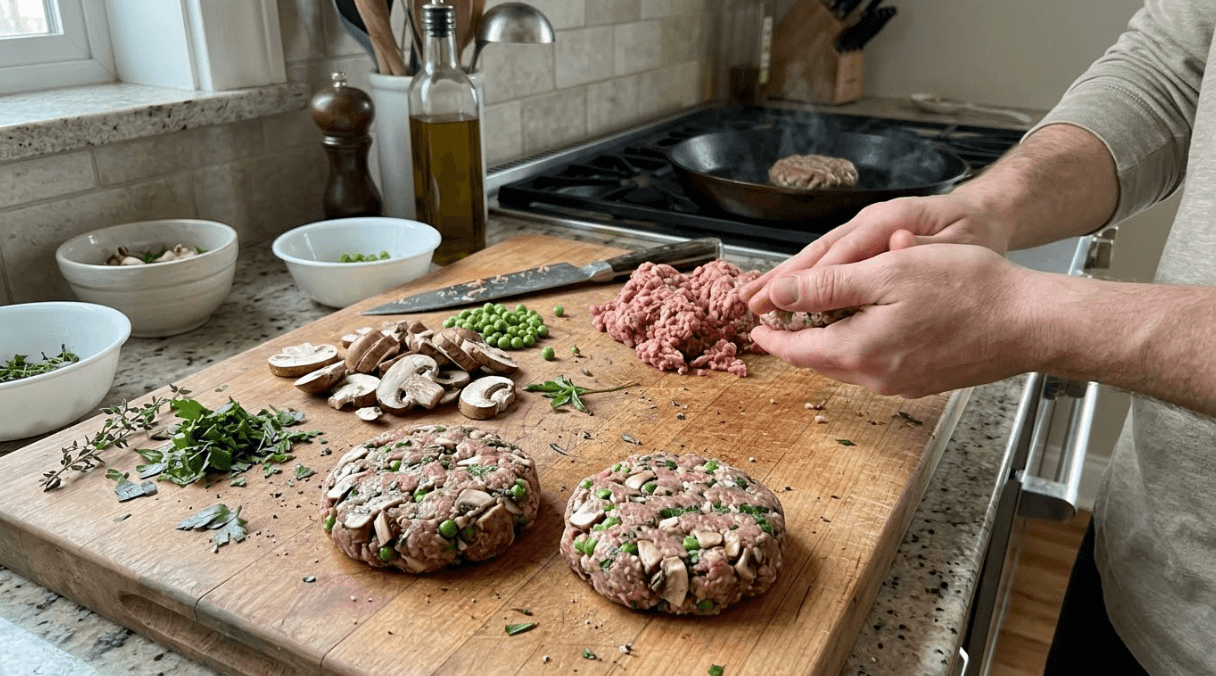
Blended products combine animal and plant proteins to create alternatives that may appeal to consumers who want to reduce meat consumption without giving it up entirely.
Examples include burgers, sausages, and nuggets containing combinations of meat, mushrooms, legumes, or plant proteins.
What brands should do: Test blended formulations with flexitarian consumers and evaluate whether they provide acceptable taste, price, and nutritional value.
12. Health and Weight-Management Priorities Are Influencing Food Choices
Changing attitudes toward nutrition, protein intake, portion sizes, and weight management are creating new considerations for plant-based food manufacturers.
GLP-1 medications are one emerging influence, but their effects should not be generalized to all consumers. People using these medications may have different nutritional priorities and eating patterns.
What brands should do: Investigate how protein, fiber, portion size, convenience, and nutritional density influence purchasing decisions among different consumer groups.
Plant-Based Food Market Performance in 2025
The plant-based food market is not experiencing uniform growth. While some categories are expanding, others are facing declining sales and lower household penetration. U.S. retail data from GFI and SPINS illustrates how consumer demand differs across product categories.
Plant-based category | 2025 U.S. dollar sales | Annual dollar sales change |
|---|---|---|
Plant-based milk | $2.7 billion | -2% |
Plant-based meat and seafood | $1.0 billion | -10% |
Plant-based creamer | $761 million | +2% |
Plant-based protein liquids and powders | $462 million | +2% |
Plant-based meals | $432 million | -12% |
Plant-based yogurt | $429 million | +7% |
Plant-based bars | $333 million | +16% |
Plant-based ice cream | $328 million | -8% |
Source: Good Food Institute analysis of SPINS U.S. retail data, 2025.
What the data means:
The biggest opportunity is not necessarily in the categories with the highest sales. Plant-based milk remains the largest category, but bars and yogurt recorded stronger annual growth rates.
Meanwhile, plant-based meat and meals experienced substantial declines. This suggests that brands should evaluate individual product categories rather than assuming the entire plant-based market is growing or shrinking together.
What Influences Plant-Based Food Purchasing Decisions?
Plant-based consumers do not make purchasing decisions based on dietary preferences alone. Taste, affordability, nutrition, ingredient transparency, and convenience all influence whether someone tries a product and continues buying it.
For food and beverage brands, understanding the difference between initial purchase motivation and repeat-purchase motivation is particularly important.
Purchase factor | Why it matters | What brands should investigate |
|---|---|---|
Taste and texture | Determines whether the product meets expectations | Flavor preferences, sensory satisfaction |
Price | Influences affordability and purchase frequency | Price elasticity and acceptable price points |
Nutrition | Shapes perceptions of product value | Protein, fiber, calories, and nutritional expectations |
Ingredients | Influences trust and processing perceptions | Ingredient familiarity and label interpretation |
Convenience | Determines how easily products fit into routines | Packaging, preparation time, and consumption occasions |
Sustainability | Can influence brand preference | Environmental claims and consumer credibility |
Availability | Affects whether interested consumers can purchase products | Retail distribution and product accessibility |
The relative importance of these factors varies by category and consumer segment. A shopper purchasing oat milk may prioritize taste and coffee compatibility, while someone buying a plant-based protein bar may focus on protein content, convenience, and price.
For brands, the important distinction is between what motivates trial and what encourages repeat purchasing. A product may generate interest through its sustainability positioning but retain customers through taste, convenience, and perceived value.
Consumer Segments and Behavior
Flexitarian
A person who actively reduces animal product consumption without eliminating it entirely. Flexitarians are the primary growth engine behind plant based consumer trends because they represent volume, not ideology.
Roughly 27% of Europeans across ten countries identify as flexitarian in 2026, with significantly higher shares in Germany (40%) and Austria (37%). In the U.S. and Canada, the behavior is widespread even when the label isn’t used. According to an industry survey cited by Meati, 82% of experts say flexitarian eating shows the strongest growth potential heading into 2026.
There are two distinct sub-types worth tracking: cost-driven flexitarians, who reduce meat because it’s expensive, and health-driven flexitarians, who do it for perceived wellness benefits. The marketing implications are completely different.
Why it matters: Most plant-based purchases come from people who also buy animal products. Across all U.S. regions, 95 to 96% of plant-based meat shoppers also purchase animal-based meat, according to PBFA. The growth opportunity isn’t converting vegans. It’s staying in rotation with omnivores.
Label Resistance
The emerging pattern where younger consumers engage in plant-based eating behaviors without adopting a dietary identity label. According to the Opeepl Youth Pulse Wave 5 survey (Q1 2026), only 3.7% of youth identify as “flexitarian” explicitly, yet 48% of those who avoid specific labels consume at least one plant-based meal per week.
This matters because brands and researchers often segment audiences by stated dietary identity. If young consumers resist those labels more than older generations assume, identity-based targeting misses the people actually driving demand. The irony is that the generation most responsible for flexitarian behavior is the least likely to call itself flexitarian.
Intention-Behavior Gap
The disconnect between stated attitudes toward plant-based products and actual purchasing behavior. This is arguably the defining concept in plant based consumer trends right now.
The Plant Based Products Council’s 2026 Consumer Trends Research found that 87% of U.S. consumers view plant-based products favorably, the highest level since tracking began in 2020. Yet plant-based meat household penetration is stuck at around 13%. That’s a 74-point spread between favorability and category-specific purchase rates.
GFI’s data explains part of the gap: 37% of lapsed buyers said plant-based meat is “too expensive,” and 40% stopped buying because they didn’t like the taste or texture. Among people who have never tried it, 60% assume they won’t like it. So favorability reflects openness, not commitment.
Plant-Based Consumer
Anyone purchasing plant-based products regardless of diet identity. This is a broader category than vegetarian, vegan, or flexitarian. According to SPINS and GFI data, six in ten U.S. consumers (60%) purchased plant-based foods in 2025, similar to 2024. Of those households, 78% went back to buy more, per PBFA.
The defining characteristic of the modern plant-based consumer is that they aren’t defined by exclusion. They’re adding, not replacing. This shift in framing changes everything about how brands should position products.
Plant-Based Consumers and Flexitarians
Plant-based consumers are people who purchase foods made primarily from plant ingredients, regardless of whether they identify as vegetarian, vegan, or flexitarian.
Flexitarians represent an important segment because they reduce animal product consumption without eliminating meat or dairy entirely. This means plant-based brands can target consumers who purchase both conventional and alternative products.
GFI's 2025 research found that 96% of U.S. households purchasing plant-based meat and seafood also purchased conventional meat. This highlights the importance of understanding mixed purchasing behavior rather than treating plant-based shoppers as a completely separate dietary group.
Market Metrics and Sales
Household Penetration
The percentage of households that buy at least one plant-based product in a given period. For the broad category (all plant-based foods), penetration held at 60% in 2025. For plant-based meat specifically, it’s stuck at roughly 13%.
That gap tells you the category isn’t monolithic. Plant-based milk, bars, and baked goods have mainstream penetration. Plant-based meat does not. Brands tracking only the top-line 60% number miss the divergence underneath it.
Regional variation matters too. Over 67% of households in Western U.S. states purchased plant-based foods in 2025, with 84.1% repeat rates. Southern households accounted for 36% of all U.S. plant-based food dollars, including 37 cents of every dollar spent on plant-based milk.
Dollar Sales vs. Unit Sales
Two complementary measures that reveal different stories when they diverge. In 2025, plant-based meat and seafood dollar sales fell 10% and unit sales fell 11%. When units drop faster than dollars, it typically means prices rose or cheaper products left the shelf. When they fall in near-lockstep, as here, demand is simply contracting.
Meanwhile, the broader U.S. plant-based retail market totaled $7.9 billion in 2025, more than double the $3.3 billion recorded in 2018. For more on the broader CPG context surrounding these numbers, see the state of CPG.
Price Gap
The cost differential between plant-based products and their conventional counterparts. Plant-based meat typically costs two to four times more per pound than animal-based meat, making it one of the most price-sensitive categories in the grocery store.
GFI found that 37% of lapsed plant-based meat buyers cited cost as the reason they stopped purchasing, and 22% of people who have never tried it gave the same reason. In Canada, the barrier is even sharper: Innova Market Insights reports that a higher percentage of Canadian consumers perceive plant-based foods as expensive compared to those in other countries.
Understanding price sensitivity in plant-based categories often requires testing specific thresholds with actual consumers. Generic syndicated data can tell you price is a barrier; it can’t tell you your price ceiling. That’s where methods like pricing research become critical.
Global Market Size
The total value of plant-based food sales worldwide. Global sales of plant-based meat and dairy alternatives rose 3% to $28.9 billion according to GFI’s 2026 State of the Industry report. Research and Markets projects the broader global plant-based food market to grow from $64.14 billion in 2025 to $73.05 billion in 2026, a CAGR of 13.9%.
Product and Category Trends
Plant-Based Meat Alternatives
Products designed to replicate the taste, texture, and cooking experience of animal meat using plant-derived ingredients. This sub-category is the most visible and most troubled segment of the plant-based market.
Sales fell 10% to $1 billion in 2025. Three barriers explain most of the decline: price (too expensive for routine purchases), sensory experience (taste and texture don’t meet expectations), and processing perception (consumers associate these products with ultra-processed food). The third factor is the least discussed and potentially the most damaging long-term.
Plant-Based Dairy and Milk Alternatives
Non-dairy beverages, yogurts, cheeses, and creamers made from oats, almonds, soy, coconut, or other plant sources. This is the brightest spot in the category.
In Canada, consumers named milk alternatives as their number one plant-based choice, per Innova Market Insights. Several factors drive this: coffee culture, personal rituals, and what Innova describes as “moments in flexible lifestyles.” Notably, Canadian consumers increasingly view dairy alternatives as standalone products rather than replacements for dairy, a framing distinction that may preview where the broader North American market is heading.
Growth Sub-Categories: Bars, RTD, and Baked Goods
The plant-based categories that are actually growing. In 2025, bars grew 16%, ready-to-drink beverages grew 12%, and baked goods grew 9%, according to GFI data via Tastewise. These categories share a common trait: they don’t ask consumers to give up something they love. They’re additions to routine, not substitutions.
This aligns with the broader shift toward bold, global flavors showing up across food and beverage.
Authentic Plant-Based
Innova Market Insights’ term for the shift from imitation to nutrition. Rather than mimicking meat or dairy, products in this trend celebrate plant ingredients on their own terms, emphasizing natural plant proteins, fiber content, or specific functional benefits.
Innova’s 2026 trends research finds that consumers are adopting natural plant proteins for their added benefits, not as a compromise. Around 17% of new plant-based launches now highlight natural plant proteins as a key selling point. This reframing, from “alternative to” to “good because of,” may be the most important strategic shift in plant based consumer trends this decade.
Functional Plant-Based
Products positioned on specific health benefits rather than animal-mimicry. Think protein-fortified oat milk, gut-health bars, or fiber-rich plant snacks. The appeal is additive (what you gain) rather than substitutive (what you avoid).
Hybrid and Blended Products
Products combining animal and plant proteins in a single format. Chicken-mushroom nuggets. Beef-and-pea-protein burgers. These products target flexitarians who want to reduce animal consumption without fully committing to plant-based alternatives. They sidestep the taste and texture objections that plague pure plant-based meat.
Plant-Forward
A menu or meal design approach that leads with plants without excluding animal products entirely. Unlike “plant-based,” which implies a product category, “plant-forward” describes a way of eating. It shows up in restaurant menus, meal kit positioning, and dietary guidance. The distinction matters for brands figuring out where to position themselves on the spectrum.
Industry Dynamics and Positioning
Clean Label
Products with short, recognizable ingredient lists. About 64% of consumers want plant-based products with less processing. This demand collides directly with the reality that most plant-based meat alternatives require extensive processing to achieve their taste and texture.
The clean label movement creates a fork in the road for plant-based brands: reformulate for simplicity (and potentially sacrifice taste) or double down on taste and fight the perception battle. Practitioners on Reddit’s food science forums frequently discuss this exact tension, noting that many consumers can’t articulate what “clean label” means but know they want it.
Ultra-Processed Food (UPF) Backlash
Consumer pushback against heavily processed food products. This is the hidden variable in the plant-based meat decline that gets less attention than price or taste, but may matter just as much.
According to the EIT Food Consumer Observatory, which surveyed nearly 10,000 people across 17 European countries, 54% say they’re deterred from buying products like plant-based burgers and sausages because of concerns they could be classified as UPFs. In the U.S., 79% of Americans feel UPFs are a “significant threat” to public health, and 82% believe the fewer artificial or unfamiliar ingredients a food has, the healthier it is.
Half of global consumers now avoid ultra-processed foods due to health concerns. Plant-based meat is caught in the crossfire. Understanding how grocery shelf dynamics interact with these perceptions is essential for brands navigating this space.
Category Reclassification
A growing consumer preference to treat plant-based foods as their own distinct category rather than as alternatives to animal products. Innova’s research indicates that 55% of consumers agree plant-based foods should be considered their own category. This isn’t just a branding question. It affects shelf placement, marketing language, and how consumers evaluate the product’s value proposition.
Emerging Forces
GLP-1 Diet Effect
The impact of GLP-1 receptor agonist medications (Ozempic, Wegovy, Mounjaro) on food preferences and purchasing behavior. This is a structural force that almost no analysis of plant based consumer trends currently accounts for.
Research from the Arkansas Agricultural Experiment Station found that GLP-1 users significantly reduced their intake of processed foods, soda, refined grains, and red meat. Over the next decade, an estimated 40 million people worldwide could be using GLP-1 medications. Early evidence shows these users eat less beef, choose more vegetables, and turn away from processed snacks.
The intersection with plant-based is complex. GLP-1 users are moving away from processed food in general, which hurts processed plant-based meat. But they’re moving toward whole foods and vegetables, which benefits the “authentic plant-based” category. The net effect depends on which kind of plant-based product you sell.
Generational Divide
The significant gap in plant-based attitudes across age groups. Gen Z has the most positive attitude, with more than half of U.S. and Canadian Gen Z consumers expressing approval, while less than 30% of boomers hold a positive view.
But remember label resistance. Gen Z’s positivity shows up in behavior more than identity. They eat plant-based meals without calling themselves anything. Brands that build campaigns around dietary identity labels may actually alienate the generation most aligned with their products.
Canada as a Distinct Market
Canada’s plant-based market operates under different dynamics than the U.S. Health Canada’s updated Food Guide, which emphasizes protein from plant sources, creates structural policy support. The share of vegetarians in the Canadian population rose from 9.1% in 2019 to 12.3% in 2024. The Canada plant-based food and beverages market was valued at $1.15 billion in 2026 and is projected to reach $2.67 billion by 2035.
Canadian consumers name perceived health benefits as the main motivation for considering plant-based products, according to Innova. But cost sensitivity is higher than in other markets, making price-value communication especially important for brands selling into Canada.
The Plant-Based Paradox: Connecting the Terms
Here’s how these terms fit together.
Favorability is at record highs (87%). Purchase intent is stable (60% of U.S. households buy plant-based). But plant-based meat, the sub-category that defined the boom, is contracting. Sales fell 10%. Penetration is stuck at 13%. The categories that are growing (bars, RTD beverages, baked goods, dairy alternatives) share a profile: they’re less processed, they don’t ask consumers to replace a beloved food, and they’re often priced closer to conventional options.
The real growth engine is not vegans converting omnivores. It’s omnivores adding plant-based products to their rotation on their own terms. The winning formula emerging from the data is: good taste, clean label, fair price, and a standalone identity (not “alternative to” something else).
The UPF backlash and GLP-1 adoption are accelerating this split. Both push consumers toward simpler, less processed foods and away from the heavily engineered products that launched the plant-based meat wave. The brands that thrive will be those that stop imitating and start building products that stand on their own merits.
Understanding these patterns requires going beyond syndicated reports that everyone reads. It requires talking to consumers directly, testing specific concepts and messages, and building a proprietary point of view grounded in first-party data.
Research Methodology and Data Sources
This article draws on publicly available industry reports, retail sales datasets, consumer surveys, and market research publications to examine plant-based consumer trends in 2026.
The primary sources include:
Good Food Institute (GFI): U.S. retail sales, household penetration, category performance, and plant-based meat purchasing behavior.
SPINS: Retail measurement and category-level purchasing data used in GFI's market analysis.
Plant Based Foods Association (PBFA): U.S. plant-based food market insights, household purchasing patterns, and regional retail performance.
Innova Market Insights: Consumer preferences, product innovation, and international food and beverage trends.
Circana: European plant-based food and beverage market performance.
Health Canada: Government dietary guidance and nutrition-related policy information.
Research and Markets: Commercial market sizing and industry forecasts.
Understanding the Data
The statistics in this article represent different types of measurements:
Data type | What it measures |
|---|---|
Consumer favorability | Attitudes toward a product or category |
Purchase intention | Stated likelihood of purchasing |
Household penetration | Percentage of households purchasing a category |
Repeat purchase rate | Percentage of buyers purchasing again |
Dollar sales | Total retail revenue |
Unit sales | Number of products sold |
Market size | Estimated monetary value of a defined market |
Retail sales figures generally describe observed purchasing activity, while consumer surveys measure reported attitudes, preferences, and intentions.
These measurements should not be treated as interchangeable. Market forecasts also represent projections rather than confirmed future sales.
What Plant-Based Food Brands Should Do in 2026
Understanding plant-based consumer trends is only the first step. Food and beverage companies must translate consumer preferences into product development, pricing, positioning, and marketing decisions.
The following strategies can help brands respond to changing purchasing behavior.
Prioritize Product Performance Over Dietary Positioning
Plant-based products need to deliver a satisfying experience. Brands should evaluate taste, texture, cooking performance, and nutritional expectations rather than relying exclusively on vegetarian or vegan positioning.
Test Pricing Before Launch
Price sensitivity can prevent interested consumers from becoming regular customers. Researching acceptable price ranges, willingness to pay, and promotional preferences can help brands identify commercially viable pricing strategies.
Segment Consumers by Behavior
Dietary labels do not always explain actual purchasing habits. Brands should distinguish between strict vegetarians, flexitarians, occasional plant-based shoppers, and consumers who purchase specific plant-based categories for functional or nutritional reasons.
Develop Products Around Consumption Occasions
Plant-based products can serve different needs throughout the day, including breakfast beverages, protein snacks, convenient lunches, and family dinners.
Understanding these occasions can help brands identify opportunities beyond traditional meat alternatives.
Validate Product Claims and Messaging
Consumers may interpret terms such as natural, clean label, high protein, and sustainable differently. Testing messaging before launch helps brands understand which claims are credible, understandable, and relevant to their target audiences.
Monitor Repeat Purchases
Initial interest does not necessarily indicate long-term product demand. Brands should monitor repeat-purchase rates, satisfaction, purchase frequency, and reasons for customer churn.
Ultimately, successful plant-based innovation requires a combination of market intelligence and direct consumer feedback.
How Brands Use Consumer Insights to Navigate Plant Based Consumer Trends
Syndicated data tells you what happened. It doesn’t tell you what to do next. Every CPG team tracking plant-based trends reads the same GFI report, the same SPINS data, the same Innova trends deck. That creates an echo chamber where everyone draws the same conclusions and launches the same products.
The brands pulling ahead are the ones generating their own consumer intelligence: testing price thresholds with actual shoppers, validating messaging before launch, segmenting audiences by behavior rather than stated identity. Greenhouse, a functional beverage brand, used this approach to move from transactional to strategic retailer conversations, backed by data their competitors didn’t have.
Fast concept testing, message validation, and audience segmentation specific to plant-based products give brands the ability to act on plant based consumer trends rather than just observe them.
Frequently Asked Questions
What percentage of U.S. households buy plant-based foods?
Approximately 60% of U.S. households purchased plant-based foods in 2025, according to GFI and SPINS retail data. Of these purchasing households, 78% made repeat purchases. However, plant-based meat and seafood reached approximately 11% household penetration, demonstrating that adoption varies considerably across product categories.
Why are plant-based meat sales declining despite continued consumer interest?
Plant-based meat sales declined 10% in U.S. dollar sales and 11% in unit sales in 2025. Important challenges include affordability, taste and texture expectations, and competition from conventional meat. Although many consumers purchase plant-based foods, this does not mean they regularly purchase plant-based meat. Brands must improve product performance, perceived value, and repeat-purchase frequency to expand category adoption.
What plant-based categories are growing in 2026?
Bars (up 16%), ready-to-drink beverages (up 12%), and baked goods (up 9%) led growth in 2025. Plant-based dairy alternatives also remain strong, particularly milk alternatives in Canada. These categories share lower processing perception and lower price premiums compared to plant-based meat.
How are GLP-1 medications affecting plant-based consumer behavior?
GLP-1 users are reducing intake of processed foods, red meat, and refined grains. With an estimated 40 million global users projected over the next decade, this creates structural demand shifts. The effect is mixed for plant-based: it hurts heavily processed plant-based meat while potentially boosting whole-food, minimally processed plant products.
What is the “authentic plant-based” trend?
A shift from products that imitate animal foods to products that celebrate plant ingredients on their own terms. About 17% of new plant-based launches now highlight natural plant proteins as a primary selling point. Consumers increasingly want plant-based products positioned for what they are, not for what they replace.
Do most plant-based shoppers also buy animal products?
Yes. Across all U.S. regions, 95 to 96% of plant-based meat shoppers also purchase animal-based meat. The plant-based consumer is overwhelmingly a flexitarian or omnivore adding options, not a strict vegetarian or vegan.
How does Canada differ from the U.S. in plant-based consumer trends?
Canadians rank milk alternatives as their top plant-based choice (versus number two in the U.S.), cite health benefits as the primary purchase motivation, and show higher cost sensitivity. Health Canada’s updated Food Guide, which emphasizes plant protein sources, provides policy-level reinforcement that the U.S. lacks.
Why do younger consumers matter most for plant-based growth?
Gen Z shows the highest favorability (over 50%) compared to boomers (under 30%). But they also resist dietary identity labels. Only 3.7% of young consumers call themselves “flexitarian,” yet 48% of those who avoid labels eat plant-based at least once a week. Brands that target behavior rather than identity will reach this audience more effectively.
What is the difference between plant-based and plant-forward eating?Plant-based eating generally describes diets or products centered on plant-derived ingredients, while plant-forward eating emphasizes plant foods without necessarily excluding animal products. Plant-forward approaches can appeal to consumers who want to incorporate more vegetables, legumes, grains, and plant proteins into their everyday meals.
Are plant-based foods still growing in 2026?Growth varies by product category. U.S. plant-based retail food sales totaled approximately $7.9 billion in 2025, although dollar sales declined 2% year over year. Some categories, including bars, yogurt, and ready-to-drink beverages, recorded growth while plant-based meat and meals experienced declines.
What is driving demand for plant-based protein?Demand is influenced by several factors, including interest in protein intake, perceived health benefits, dietary flexibility, sustainability, and food innovation. However, the importance of these motivations varies by consumer segment and product category.
What should plant-based food brands research before launching a product?Brands should investigate target consumer preferences, taste expectations, acceptable price points, nutritional priorities, ingredient perceptions, purchase intentions, and repeat-purchase potential. Concept testing and consumer segmentation can help identify demand before investing in large-scale product development.
How can consumer research help plant-based brands?Consumer research helps plant-based brands understand why shoppers purchase, reject, or discontinue products. It can identify pricing thresholds, validate product concepts, evaluate packaging and messaging, and reveal differences between stated preferences and actual purchasing behavior.